Okinawa: Japan’s Island Economy Where Beach Tourism and Ryukyu Culture Drive Global Appeal
Japan’s Southern Outpost with a Global Mindset Separated from the mainland, Okinawa Prefecture operates on a different economic model—one built around tourism, lifestyle, and regional connectivity. Within the Kyushu region (administratively grouped, but geographically distinct), its capital
Japan’s Southern Outpost with a Global Mindset
Separated from the mainland, Okinawa Prefecture operates on a different economic model—one built around tourism, lifestyle, and regional connectivity.
Within the Kyushu region (administratively grouped, but geographically distinct), its capital Naha functions as the gateway to a chain of subtropical islands.
For businesses, Okinawa offers a focused proposition: a tourism-driven economy with strong cultural differentiation.
Trade: Tourism as Core Industry
Okinawa’s economy is centered on visitor spending.
Key sectors include:
Hospitality and resort development
Retail and dining tailored to international tourists
Aviation and travel services connecting Japan with Asia
Its geographic position—closer to Taiwan and Southeast Asia than Tokyo—enhances its role as a regional tourism hub.
What defines Okinawa’s trade advantage:
High reliance on tourism revenue with consistent domestic demand
Strong government support for tourism infrastructure
Growing appeal among international travelers
For international operators, Okinawa offers:
Entry into Japan’s leisure and resort market
Opportunities in lifestyle, hospitality, and entertainment
A base for regional tourism expansion across Asia-Pacific
This is an economy built on experience and flow.
Tourism: Beach as Primary Asset
Okinawa’s tourism is driven by its coastline.
Areas such as Nami no Ue Beach and surrounding island resorts deliver a product rare in Japan: tropical beach tourism.
The model includes:
Clear differentiation from mainland destinations
Strong seasonal peaks with growing year-round appeal
High engagement in water-based activities and resort stays
What sets Okinawa apart:
A climate suited for leisure and outdoor experiences
Visual appeal aligned with global travel trends
Integration of resorts, nature, and culture
For tourism businesses, Okinawa offers:
Opportunities in resort development and luxury travel
Expansion into marine activities and eco-tourism
A market driven by both domestic and inbound visitors
This is Japan’s answer to island tourism.
Culture: Ryukyu Identity as Differentiator
Okinawa’s strongest asset is its cultural distinction.
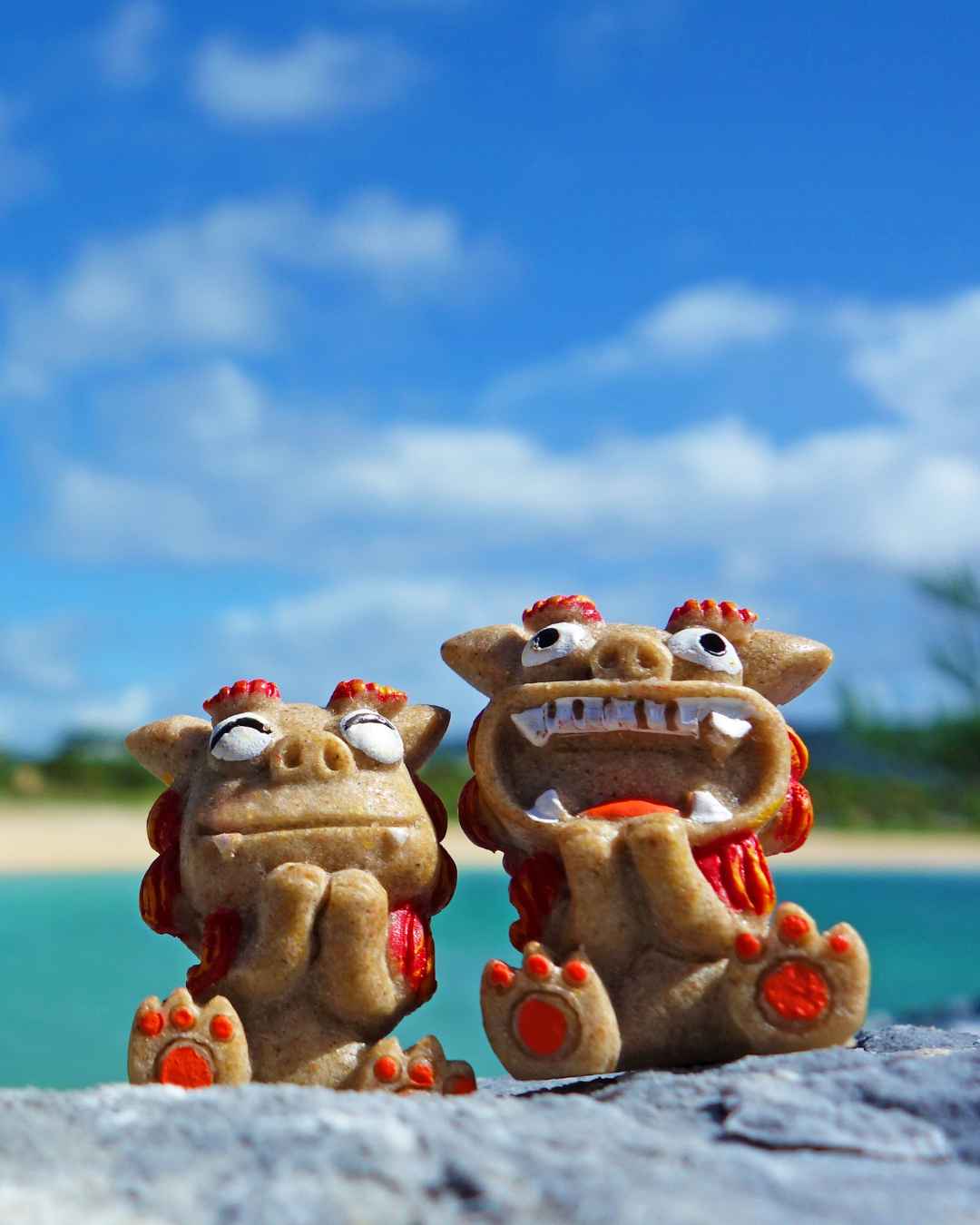
Rooted in the history of the Ryukyu Kingdom, the region maintains traditions separate from mainland Japan.
This includes:
Unique language elements and performing arts
Distinct cuisine and lifestyle practices
Architectural and historical sites such as Shurijo Castle
For businesses, this creates:
A clear cultural identity that enhances branding
Opportunities for authentic, differentiated experiences
Strong appeal for international audiences seeking something beyond “standard” Japan
In Okinawa, culture is not an extension—it’s an alternative.
Infrastructure: Built for Inbound Flow
Okinawa’s infrastructure is designed to support tourism at scale.
Naha Airport serves as a major gateway, with connections across Japan and Asia.
The prefecture also supports:
Resort zones across multiple islands
Road networks optimized for tourism movement
Port facilities for cruise and marine travel
The result:
High accessibility despite geographic separation
Efficient movement between islands and attractions
Infrastructure aligned with visitor flow
Okinawa is designed to receive—and retain—tourists.
Why Okinawa Matters Now
As global travel shifts toward lifestyle, climate, and unique cultural experiences, Okinawa’s relevance grows.
It offers:
A tourism-first economy with proven demand
A beach destination rare within Japan
A distinct Ryukyu culture that differentiates it globally
Yet it remains underdeveloped compared to other Asian resort destinations.
That gap is opportunity.
Market Entry Angles: Where to Engage
1. Resort & Hospitality Development
Build hotels, villas, and lifestyle accommodations targeting domestic and international tourists.
2. Marine & Experience Tourism
Develop water-based activities, eco-tours, and island experiences.
3. Cultural & Lifestyle Branding
Leverage Ryukyu identity to create products, media, and experiences with global appeal.
Okinawa rewards differentiation. The more distinct the offering, the stronger the pull.
Okinawa doesn’t mirror Japan. It expands it.
In a country known for cities and heritage, Okinawa introduces a different model—slower, warmer, and globally aligned. For businesses looking to operate in Japan’s leisure economy with international reach, this is where the conditions are already in place.