Kagoshima: Japan’s Southern Frontier Where Energy, Agriculture, and Volcanic Tourism Converge
The Frontier Market at Japan’s Edge At the southern tip of the Kyushu region, Kagoshima Prefecture operates as a resource-driven economy shaped by geography. Its capital, Kagoshima, faces one of Japan’s most active volcanoes and anchors a
The Frontier Market at Japan’s Edge
At the southern tip of the Kyushu region, Kagoshima Prefecture operates as a resource-driven economy shaped by geography.
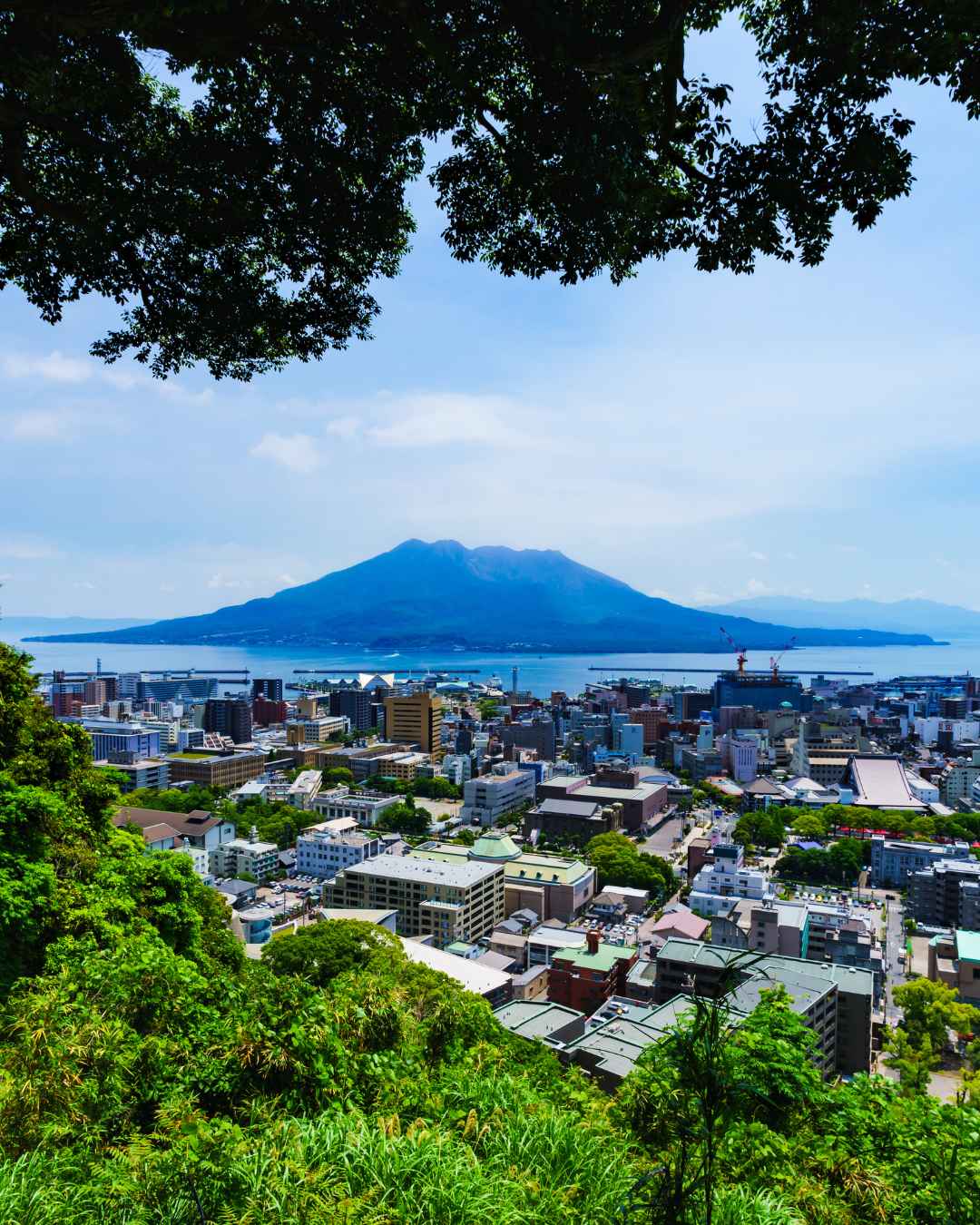
Its capital, Kagoshima, faces one of Japan’s most active volcanoes and anchors a region where natural assets—land, energy, and history—drive economic value.
For businesses, Kagoshima offers a different entry point: build from resources, not density.
Trade: Energy and Agriculture as Dual Pillars
Kagoshima’s economy is grounded in production.
The prefecture leads in:
Renewable energy, particularly geothermal and solar
Large-scale agriculture, including livestock and specialty crops
Food processing linked to regional outputs
The volcanic landscape supports geothermal development, positioning Kagoshima within Japan’s energy transition strategy.
Agriculture adds a second layer:
Beef, pork, and sweet potatoes with strong domestic branding
Export-ready products aligned with Asian markets
Integrated supply chains from farm to processing
For international operators, Kagoshima offers:
Entry into Japan’s renewable energy projects
Partnerships in agri-food production and export
Opportunities in sustainable resource development
This is a production economy with long-term relevance.
Tourism: Volcano as Constant Attraction
Kagoshima’s tourism is defined by Sakurajima.
Unlike seasonal attractions, Sakurajima is active year-round—creating a continuous draw for visitors seeking nature, geology, and unique landscapes.
The tourism model includes:
Ferry access and observation points around the volcano
Onsen experiences linked to geothermal activity
Coastal and island tourism expanding beyond the main city
What differentiates Kagoshima:
A dynamic natural landmark that evolves over time
Strong domestic appeal with growing international curiosity
Integration of nature, wellness, and exploration
For tourism businesses, Kagoshima offers:
A distinctive, non-replicable attraction
Opportunities in eco-tourism, guided experiences, and hospitality
A market built on uniqueness rather than volume
This is nature-driven tourism—with continuous visibility.
Culture: Samurai Legacy as Identity
Kagoshima’s cultural identity is deeply tied to its samurai history.
The region was the center of the Satsuma Domain, one of the most influential powers in Japan’s transition to modernity. Figures like Saigo Takamori continue to shape the region’s narrative.
Key characteristics include:
Strong regional pride and historical awareness
Cultural continuity linked to discipline and resilience
Integration of history into tourism and branding
For businesses, this creates:
Story-driven experiences rooted in authentic history
Branding opportunities tied to legacy and strength
Cultural tourism aligned with global interest in samurai heritage
In Kagoshima, history is not distant—it is active identity.
Infrastructure: Connected but Distinct
Kagoshima balances accessibility with distance.
The Kyushu Shinkansen connects the region to Fukuoka and beyond, while Kagoshima Airport provides domestic and limited international routes.
The result:
Reliable connectivity without overdevelopment
Lower competition for land and resources
A clear distinction from Japan’s urban centers
Kagoshima is connected—but it operates independently.
Why Kagoshima Matters Now
As global markets shift toward sustainability, authenticity, and resource-based value, Kagoshima’s positioning strengthens.
It offers:
A growing renewable energy sector
A strong agricultural base with export potential
A unique tourism identity centered on an active volcano
Yet it remains underexposed internationally.
That gap is opportunity.
Market Entry Angles: Where to Engage
1. Renewable Energy Development
Invest in geothermal and solar projects aligned with Japan’s energy transition.
2. Agriculture & Food Export
Build supply chains and brands around Kagoshima’s high-quality agricultural products.
3. Eco & Experience Tourism
Develop tourism offerings centered on Sakurajima, nature, and wellness.
Kagoshima rewards differentiation. The more unique the offering, the stronger the impact.
Kagoshima doesn’t follow Japan’s urban model. It builds from the ground up—literally.
In a global economy shifting toward sustainability and origin, Kagoshima offers both, anchored in land, energy, and history. For businesses willing to operate beyond the mainstream, this is where long-term value is forming.